Premier Inn App
A best-in-class, self-serve mobile check-in experience

A little intro to Premier Inn
Premier Inn, one of the largest hotel chains in the UK, is a subsidiary of Whitbread PLC, a leading hospitality business that also owns popular restaurant brands like Beefeater and Brewers Fayre, and once owned Costa Coffee. With 785 hotels in prime locations, Premier Inn is known for its consistently high customer satisfaction ratings.
Although primarily a UK brand, Premier Inn has started expanding into international markets. The chain is renowned for its delicious breakfast offerings, comfortable beds designed for a good night's sleep, and family-friendly accommodations.

Project goal

The goal of this project was to redefine the Premier Inn check-in experience by delivering a best-in-class journey that improves guest satisfaction while increasing operational efficiency.
We aimed to create a seamless app companion experience that delivers an optimised user experience, facilitates self-service, and positions Premier Inn as best-in-class within the industry.
The scope included enabling guests to purchase simple add-ons, providing a welcoming digital experience, and ultimately allowing them to access their rooms as quickly and efficiently as possible
Objectives
1. Deliver a seamless, self-service arrival experience
2. Free staff to focus on high-value guest interactions
3. Drive commercial impact at check-in
4. Strengthen digital brand leadership
Success metrics
Speed of online check-in (less than 60 seconds)
Reduction in on-site queues
Increased adoption of self-service
Revenue per check-in
Part 1 - Understand
Interviews
Staff Interviews: The researcher and the team conducted interviews with Premier Inn staff members to understand operational contexts, the impact of check-in challenges, and reactions to the CIOL (Check-In Online) concept.
Customer interviews: We also spoke to customers to understand UK travel contexts, the impact of past check-in experiences, and perceptions of initial pitch prototype for CIOL (Check-In Online).

Hotel tours
With the help of our Product Owner we conducted 6 Premier Inn hotel site visits in London to analyse check-in procedures, customer service approaches, different entrance layouts, use of signage and how self-serve kiosks were used by customers


Competitor stays
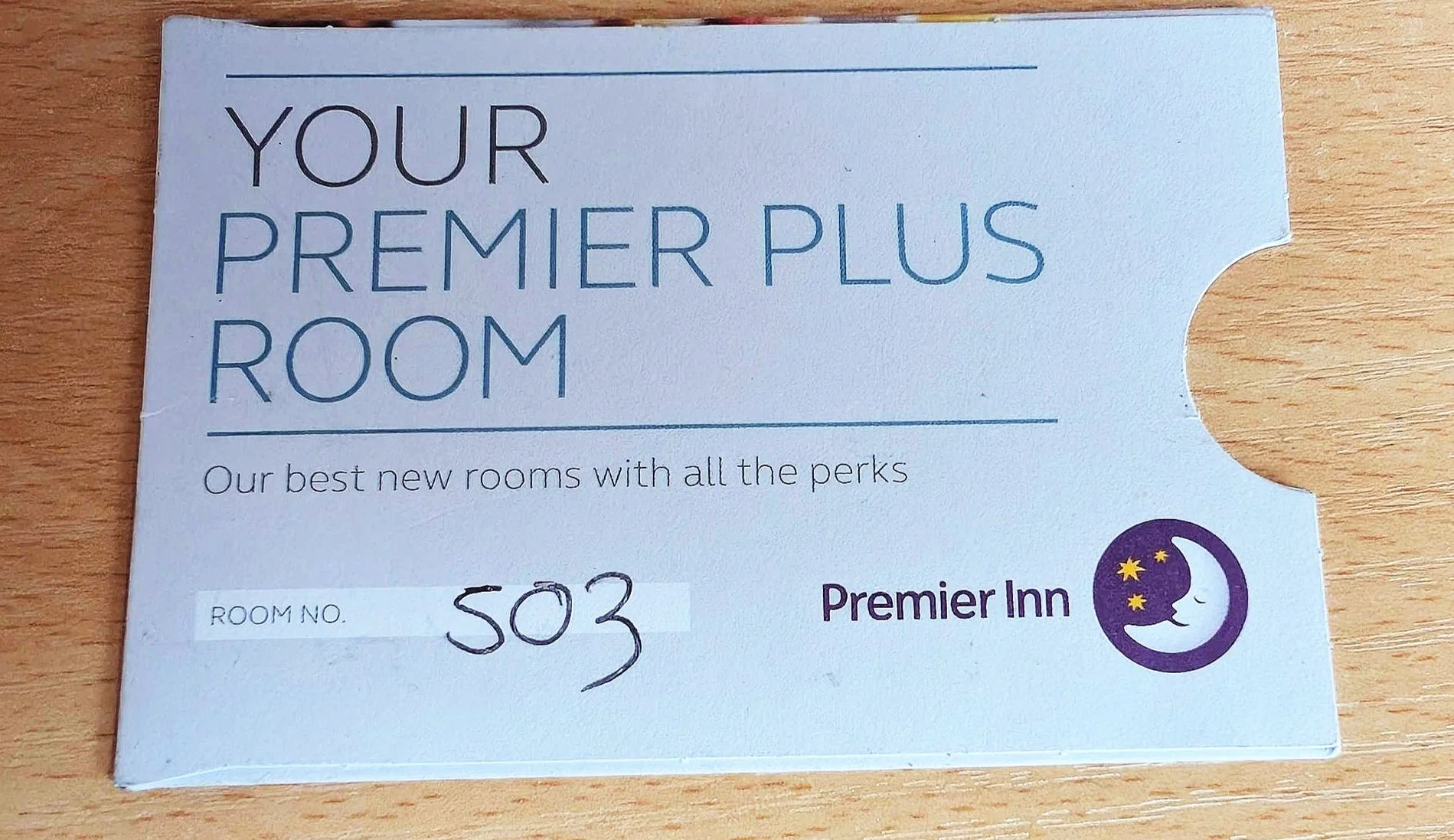
We conducted competitor stays at two hotels to evaluate their guest experience, focusing on check-in procedures, digital key functionality, and other innovative features.
This hands-on research provided valuable benchmarks and insights for identifying opportunities for differentiation.


App audits
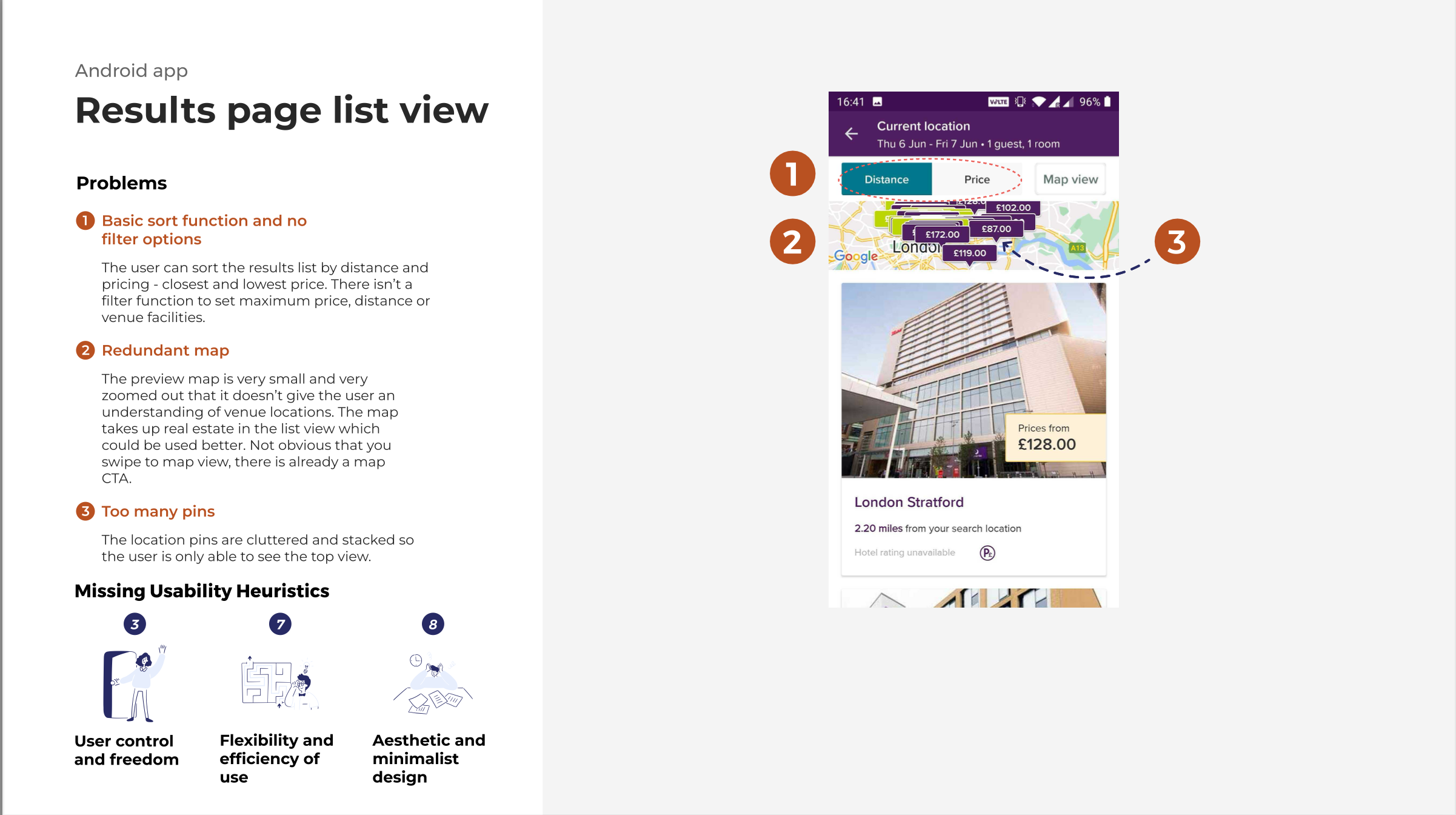
The UI designer and I conducted comprehensive audits of the premier Inn mobile app, focusing on accessibility compliance (WCAG guidelines) and usability best practices.
This process also served as a valuable exercise in familiarising ourselves with the apps' functionality, user flows, and overall design.
These audits identified key areas for improvement in user experience and inclusivity.


Best in class research
The team conducted a comparative analysis of leading service providers (hotels, airlines, train services, etc.) to identify best practices in customer experience and input into our decision making process


Discovery key insights
Physical environment created friction
Hotel lobby layouts varied significantly
Long reception queues often blocked visibility of kiosks
No clear distinction between desk queues and kiosk queues
Positive perception of Online Check-In
Both staff and customers expected and welcomed it
Adding meals or early check-in felt standard
Revenue opportunities could be embedded naturally, not disruptively
Kiosks were not a reliable default
Frequently offline or switched off
Physical height not suitable for wheelchair users or mobility scooters
Self-service wasn’t consistently accessible or dependable
️Roadmap alignment
Strong overlap with planned features: digital key, booking tables, add-ons
Opportunity to future-proof the solution and align with long-term strategy reducing risk early
Part 2 - Design
Ideation workshop
The team facilitated an ideation workshop with key business stakeholders to define the scope and prioritise features for CIOL. While the design director led the session, I developed an initial service design blueprint, which we validated with the business to relay our understanding of the current Check-in process.
This blueprint served as a valuable reference point for unpacking business requirements and ensuring alignment.
Using the MoSCoW method, we prioritised requirements to inform the initial user flow development. This allowed us to focus on essential features while deferring less critical elements.


Designing user flows
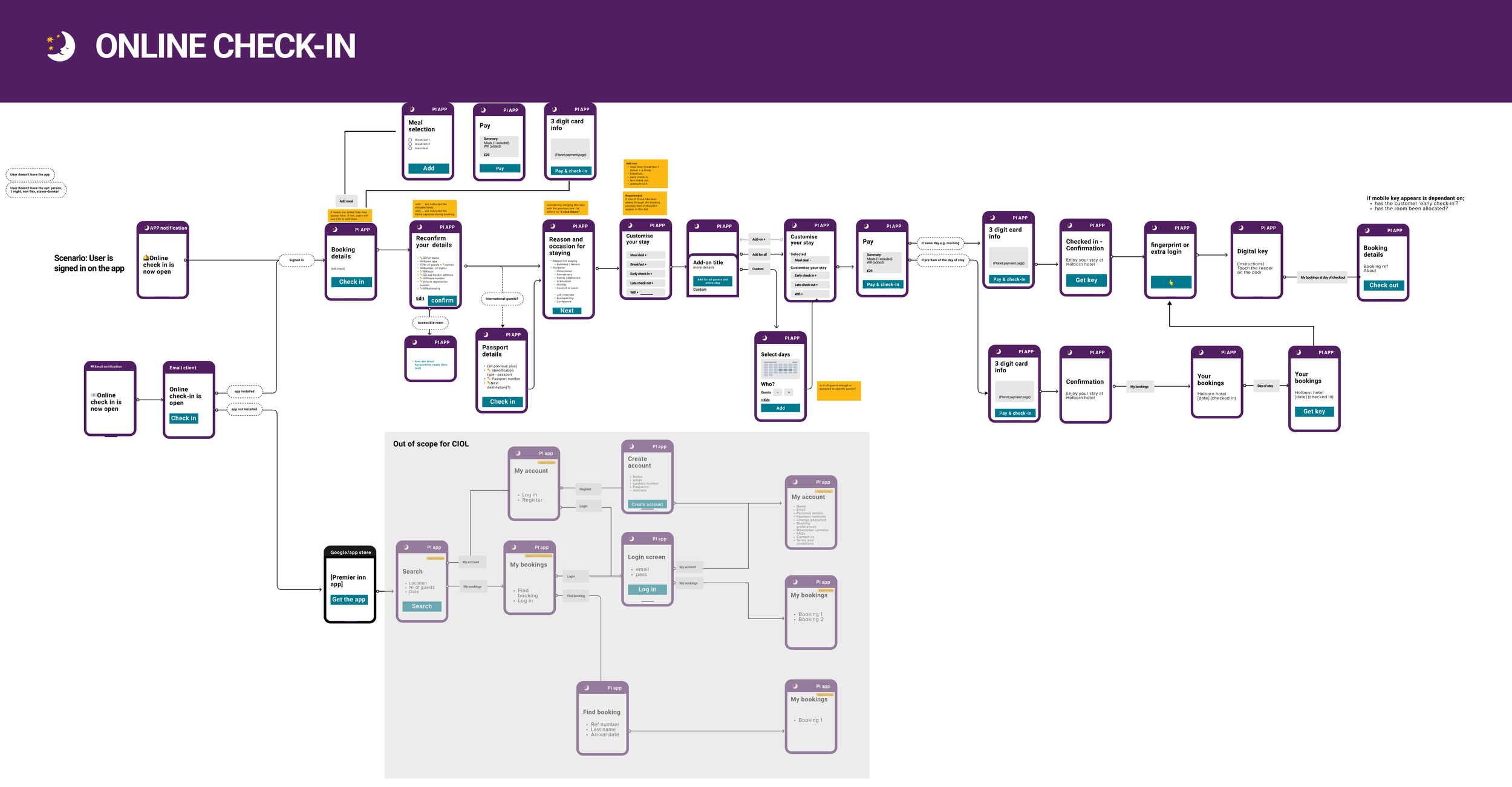
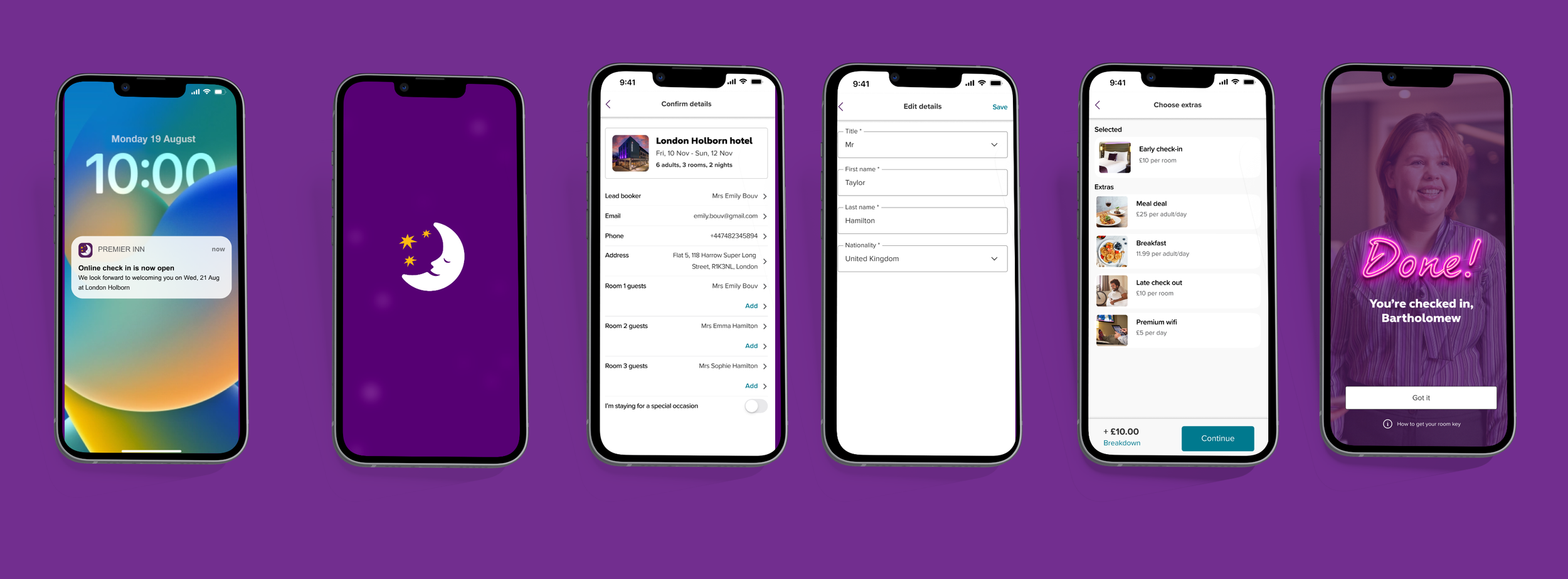
Fundamental steps: The core online check-in process we designed included:
Email and push notifications
Pre-stay information capture
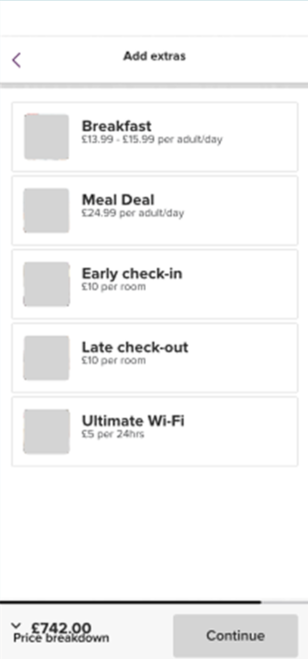
Upsell opportunities
Payment processing
Completion confirmation
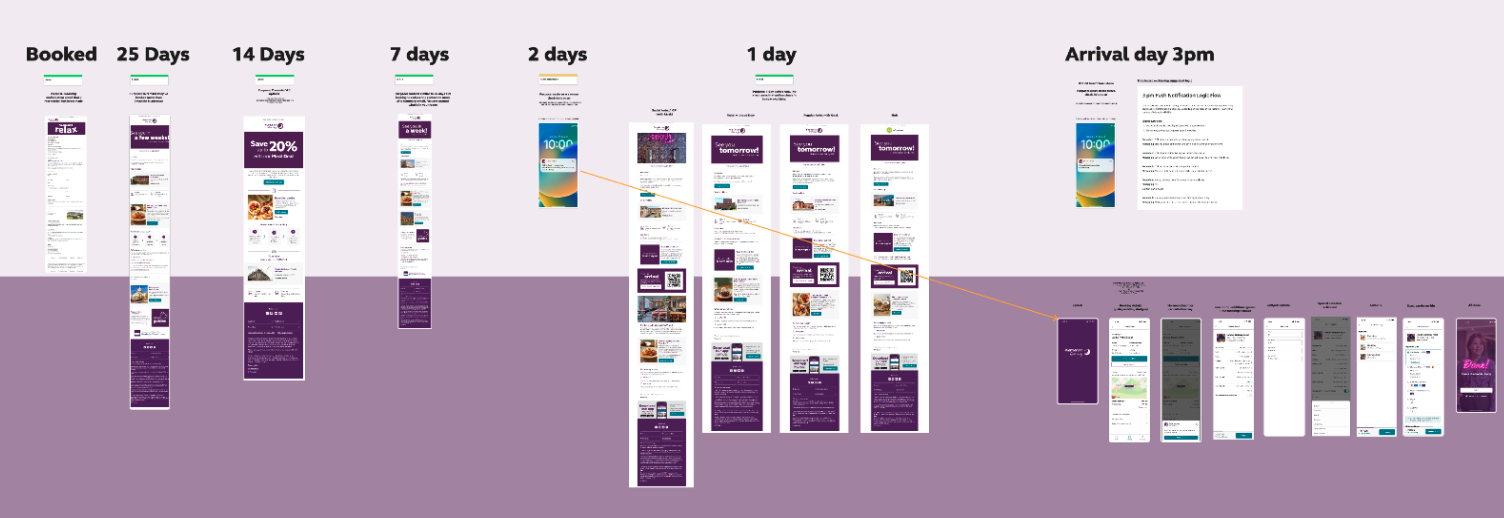
Comms map
Worked with Email & Marketing teams to capture customer touchpoints leading into online check-in including any post-checkout comms to ensured timing, tone and triggers supported adoption
Designing Screens
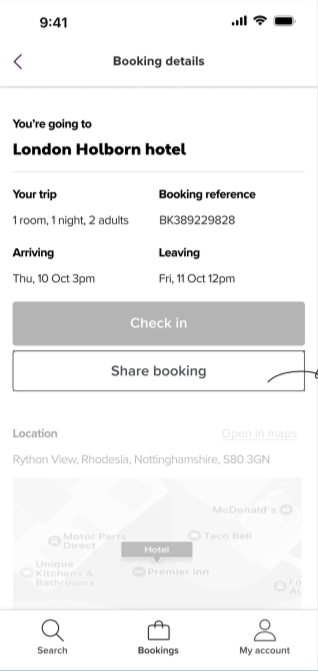
With the user flows established, the UI designer and I began designing detailed screens.
Designing each stage of the journey
I approached each screen as a standalone project. I referenced the relevant ticket and user story to ensure we were addressing specific needs and scenarios. Our process included:
Identifying applicable scenarios and user types
Leveraging existing insights from discovery, any previous research and the analytics team
Analysing the current user experience, if applicable
Incorporating elements from our prior competitor review
Conducting a thorough analysis of each screen with the development team, ensuring that our designs accounted for any potential error situations and empty states
This comprehensive approach allowed us to create well-informed, robust and user-centric designs.
High fidelity designs
I worked closely with the visual designer to produce the high fidelity UI designs.
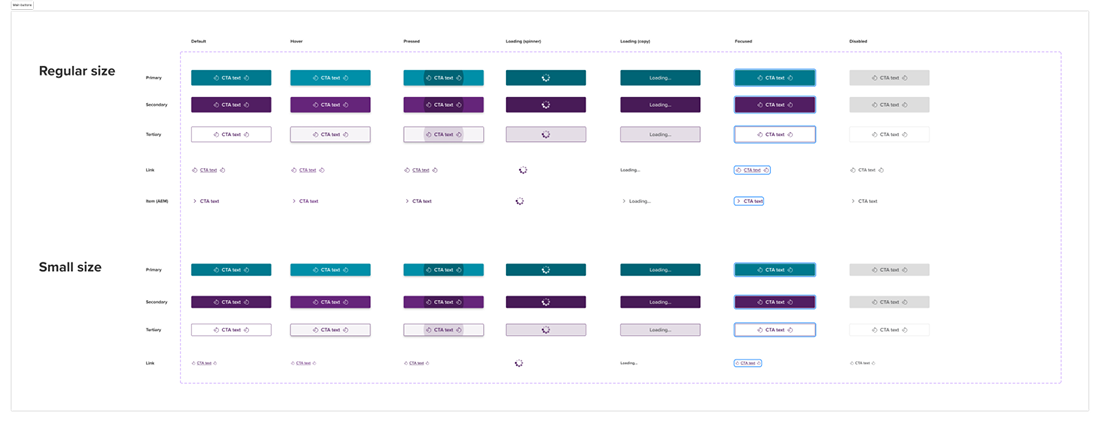
We prioritised reusing existing components from Whitbread's design system wherever possible to aid with speed and consistency, although we had a steer from the business to push the boundaries where the design system fell short.
Reviewed with Design system team to ensure UI designs aligned to Premier Inn brand guidelines
Interactive prototypes
As part of the design process, we developed a range of prototypes to effectively communicate design and product options and gather feedback during stakeholder presentations and user research sessions.
We also developed versions tailored to each agreed-upon release to support product and delivery conversations.
Example Prototype link
Part 3 - Validation and iteration
4 Rounds of user testing
In close collaboration with the user researcher, we established a comprehensive schedule for user testing, working methodically backwards from the delivery plan that had been previously outlined. This structured approach ensured that all necessary steps were accounted for and effectively organized.
We conducted four comprehensive rounds of user testing, incorporating valuable feedback and making iterations on the designs between each round. This iterative and incremental approach ensured that we remained focused on the needs and expectations of our users throughout the entire process.
Real life feedback

Live trial
We launched a live trial at a single hotel located in Birmingham.
We conducted surveys with guests who had utilised the online check-in feature to gauge its overall success and user satisfaction.
We also took the initiative to gather direct feedback from hotel staff, with the feedback being vastly positive.
That way we were able to validate the usability and commercial viability in a real-world environment.
Expansion of trial
The results were analysed by the product owner and were ultimately deemed successful. Following this encouraging outcome, we decided to expand the rollout to a total of 15 sites across the UK.
In this release, we integrated analytics to carefully monitor potential drop-off points within the user journey, ensuring a thorough understanding of guest interactions.

Key Results & Impact
1,000
75%
Online check-ins
within one month
Positive customer feedback
Based on post-check-in surveys
Strong staff endorsement
While revenue data or queue data wasn’t available,
early adoption and satisfaction gave the business confidence to scale.
Looking at the future
Before finishing this phase, we looked over the feedback and suggestions collected from customers and staff in earlier research rounds. We organised this information in a spreadsheet and surveyed both groups to find the top five features for future development.
Project takeaways
Offshore Development Team:
Working with a large offshore development team presented initial challenges, but we established effective communication channels and regular touchpoints to ensure smooth collaboration and timely issue resolution.
App Design Learning:
This project provided me with valuable experience in app design. I learned about the specific considerations for mobile platforms, such as avoiding underlined links in favour of buttons, optimising images, and prioritising visual communication over text. I also gained experience in leveraging app-specific features like animations, micro-interactions, and push notifications.Client Collaboration:
Working with Whitbread and the Premier Inn team was a very positive experience. They were well-equipped for user research, and their strong brand reputation meant that customers were always willing to provide feedback. This collaborative environment made working on the Check-in online project a rewarding and enjoyable challenge.